
Dentist North Park San Diego

Call UsLearn More

Welcome to Salt and Smile Dental Co!

Searching for a dentist North Park San Diego patients can rely on usually turns up a long list, but not every name on it treats your whole mouth instead of just the tooth that hurts. Dr. Shawn Yazdanmehr, DDS, built Salt and Smile Dental Co. around exactly that difference, handling your dental consultation, custom crowns, dental bridges, dental implants, and dental veneers under one treatment plan instead of referring you out for every specialty need. Every plan starts with your dental records and your actual oral health goals, not a standard script applied to whoever’s in the chair. Whether you need a routine filling or a full restorative plan, we build dental care around you.

Get Started on Your Confident Smile

Our Mission

Dr. Shawn Yazdanmehr and our entire team are committed to creating an environment where dental anxiety has no place and transparency guides every conversation. We understand that choosing our practice means placing trust in someone who will be your partner in lifelong oral health, which is why we’ve built our practice on three core values: humanism, confidence, and transparency. We recognize that behind every smile is a person with unique concerns, medical circumstances, and life situations. Our mission extends beyond providing exceptional dental care—we aim to be the dentist in San Diego CA you actually look forward to seeing, where your questions are welcomed, your treatment options are explained thoroughly, and you never feel rushed or confused about what comes next. This commitment to detail-oriented, conversational care defines everything we do.

Meet the Doctor

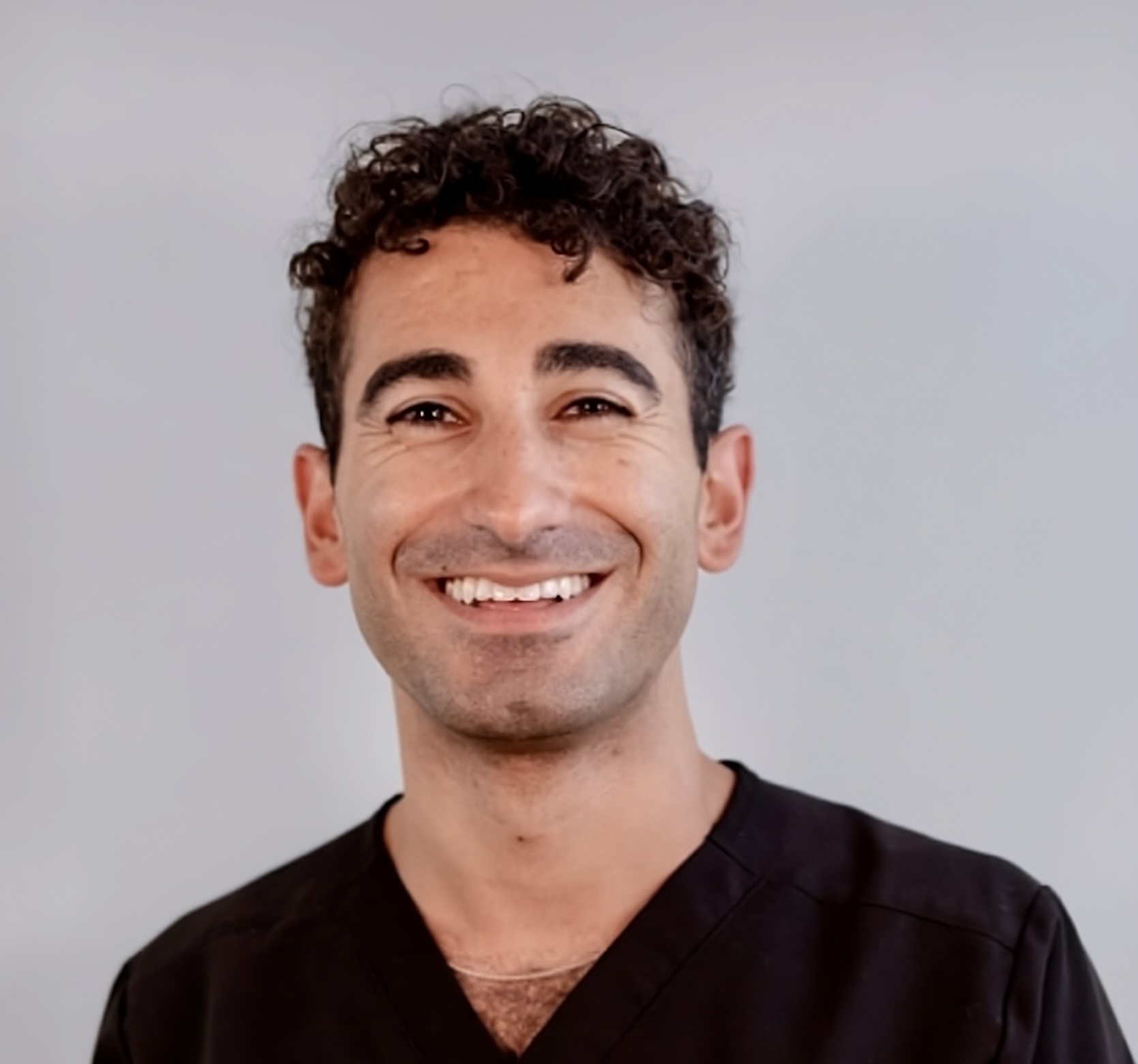
Dr. Shawn Yazdanmehr earned his dental degree from the University of the Pacific, Arthur A. Dugoni School of Dentistry, after completing his pre-dental studies at UCLA. Raised in Carlsbad, he practiced in downtown Chicago before returning to San Diego, an experience that shaped the thorough, unhurried approach patients notice at every appointment. As the only dentist at North Park’s Salt and Smile Dental Co., he’s the one reading your X-rays at your first visit and the one placing your implant or seating your crown down the road.

Learn About Your Doctor!

Our Dental Services

Dental Implants

Is dental implant treatment the right direction for you?

A missing tooth doesn’t just change your smile. It changes how you chew and what happens to the bone underneath it over time. The questions below will help you decide whether dental implants are the right path forward.

Who is a candidate for dental implants?

If you’re missing a tooth and the bone underneath is holding up reasonably well, you’re likely a candidate for this common restorative procedure. Uncontrolled diabetes, active gum disease, or bone that’s already thinned out can delay treatment, though grafting frequently clears the path forward.

What does the dental implant process involve?

A titanium post goes into the jawbone, where the surrounding bone gradually fuses around it in a process called osseointegration. If there isn’t enough bone volume to support that post, we build one first with grafting before moving forward.

Where does dental implant treatment fit into your treatment plan?

Implant treatment unfolds across multiple appointments and a few months of healing. When an extraction must happen first, we fold it into the overall implant timeline rather than treating it as a separate detour.

When is the right time to consider dental implants?

Bone loss accelerates the longer a gap sits untreated. Waiting also gives neighboring teeth room to drift, which turns a straightforward implant case into a more complicated one.

Why dental implants over the alternatives?

A bridge requires reshaping two otherwise healthy teeth, and a denture leaves the bone below unsupported. Tooth-supported bridges reach a 100% survival rate versus 87.5% for implants. Unreplaced sockets can experience 29-63% horizontal bone loss within six months.

Speak With A Professional!

Crowns and Bridges

A Cracked or Missing Tooth Deserves a Straight Answer About What Comes Next

Not all dentists at North Park coordinate crown and bridge work under one roof, but this practice does. A cracked tooth doesn’t always need to come out, and a missing tooth doesn’t always call for an implant. The questions below help you evaluate whether a crown or bridge fits your situation.

Who is a candidate for crowns and bridges?

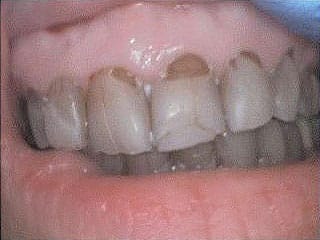
A crown makes sense once decay or damage has left a tooth too weak for a filling to hold. A bridge works when the teeth on either side of a gap are strong enough to anchor one, something we confirm with an exam first.

What does the crown and bridge process involve?

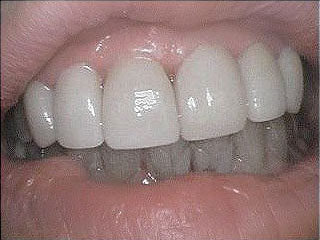
We reshape the involved tooth or teeth, take an impression, and place a temporary while your custom piece is fabricated in a lab. At a follow-up visit, we seat the permanent restoration and check your bite for fit.

Where do crowns and bridges fit into your treatment plan?

Most crown and bridge cases wrap up in two visits. A crown is frequently the next step after root canal therapy, since a treated tooth needs that added protection against fracturing.

When is the right time to consider a crown or bridge?

A tooth that feels stable with a crack today rarely stays that way without treatment. If a bridge is the plan, placing it soon after tooth loss helps keep neighboring teeth from drifting into the space.

Why crowns and bridges over the alternatives?

A filling can’t support a tooth that’s lost most of its structure, and a partial denture puts constant stress on the teeth it clips onto. Research on endodontically treated teeth points to a long-term advantage for cuspal coverage once a tooth has lost significant structure. Left unprotected, cracks let bacteria in, and imaging studies confirm neighboring teeth undergo measurable physiologic drift once a gap opens.

Speak With A Professional!

Veneers

Have you already tried whitening and still aren’t happy with your smile?

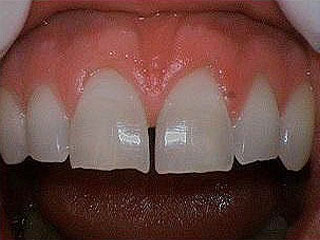
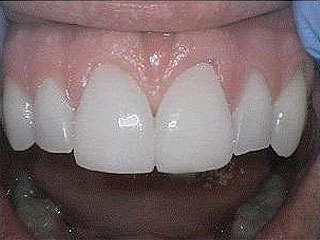
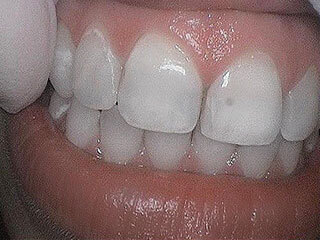
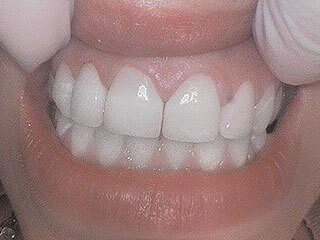
A dentist in North Park who also handles cosmetic work makes veneers simpler to plan around your other care. Whitening and bonding address some cosmetic concerns, but they run out of room fast on a tooth that’s chipped, uneven, or stained from the inside. Porcelain veneers usually pick up where those options leave off.

Who is a candidate for porcelain Veneers?

Adults with staining that whitening never touched, minor chips, small gaps, or slight shape irregularities are often good candidates. You’ll need healthy gums and enough intact enamel for the veneer preparation to work.

What does the ceneer process involve?

We start with a cosmetic consultation to map out your final look. We remove a thin, permanent layer of enamel to make space for the shell, then bond the porcelain piece at your final appointment.

Where do veneers fit into your treatment plan?

Veneers are typically the last step, scheduled once any underlying dental health issues are resolved. Most cases finish in two to three visits from consultation to placement.

When is the right time to consider Veneers?

Veneers work best once your oral health is stable. With proper care, porcelain veneers commonly last 10 to 20 years before needing replacement.

Why Veneers over the alternatives?

Whitening can’t reshape a tooth, and bonding stains faster than porcelain over time. A ten-year trial comparing veneer materials on the same patients found composite veneers had dropped to a cumulative chance of survival of just 75%, while ceramic veneers held at 100%. Untreated wear reduces the vertical dimension of occlusion and heightens sensitivity.

Speak With A Professional!

Clear Aligners

Is clear aligner treatment right for you?

A crooked smile or an off bite doesn’t have to mean a mouth full of metal. Clear aligners shift teeth gradually through a series of removable, custom-fitted trays.

Who is a candidate for clear aligners?

Teens and adults with mild to moderate spacing or crowding are generally strong candidates. An in-office bite check confirms whether aligners will get you where you want to go or whether a more complex case calls for a different approach.

What does the clear aligner process involve?

A digital scan maps your teeth’s path from where they are now to your target result before we make any trays. New aligners swap in about every one to two weeks as your teeth shift into place.

Where do clear aligners fit into your treatment plan?

Aligners work best once your mouth is already stable, so active decay or gum disease gets resolved first. Cosmetic dentistry, like veneers or whitening, can follow once your teeth finish moving.

When is the right time to consider clear aligners?

Crowding and bite issues don’t resolve on their own, and the tight spots they create only get harder to clean over time. Starting treatment earlier generally shortens your overall timeline.

Why choose clear aligners over fixed braces?

Beyond being removable, aligners have shown a measurable edge in clinical research. A randomized trial on deep bite correction found the aligner group finished with a significantly shorter treatment duration than the braces group, with comparable results. Left untreated, complications of malocclusion include a higher risk of decay, gum disease, and tooth loss.

Speak With A Professional!

Teeth Whitening

Is professional teeth whitening right for you?

Years of coffee, tea, or wine leave most smiles duller than they started. Professional whitening reaches stains that drugstore kits typically can’t fully clear.

Who is a candidate for teeth whitening?

Patients with treated decay and healthy gums are usually good candidates for this cosmetic dentistry option. Existing crowns, veneers, or fillings won’t shift shade during treatment, so those may need separate planning if they’re visible in your smile.

What does the teeth whitening process involve?

After confirming your teeth and gums are ready for treatment, we apply a professional-strength gel and monitor it throughout the appointment. The result is typically a more even, dramatic shade change than at-home products deliver.

Where does teeth whitening fit into your treatment plan?

Whitening usually comes last, scheduled after any restorative or gum work so your new shade matches evenly across natural teeth and existing dental work.

Whenis the right time to consider teeth whitening?

Once your dental health is stable, there’s no reason to hold off. Some patients time it around a specific event, while others treat it as a standalone refresh.

Why choose professional whitening over at-home kits?

In-office treatment offers more control over concentration and application than anything sold at a drugstore. A comparison of dentist-prescribed and online-marketplace products found the professional option produced significantly better tooth whitening with less enamel damage. Inadequate self-use of OTC products has been linked to excessive wear of dental tissues and gum irritation.

Speak With A Professional!

Socket Preservation and Tooth Extraction

Is socket preservation or extraction right for you?

Sometimes a tooth is too damaged, decayed, or crowded to save, including wisdom teeth extraction cases where there’s simply no room left in the arch. When extraction becomes necessary, socket preservation protects the bone underneath so your future restorative options stay open.

Who is a candidate for socket preservation and tooth extraction?

A fractured, deeply decayed, or severely crowded tooth typically points toward extraction. If an implant or bridge is even a possibility down the line, it’s worth discussing socket preservation at that same appointment.

What does the socket preservation and extraction process involve?

Most extractions, including routine wisdom teeth extraction, happen in-office under local anesthesia. When preservation is part of the plan, grafting material fills the socket immediately after the tooth is removed.

Where does socket preservation fit into your treatment plan?

An extraction is rarely the endpoint of treatment planning. It typically opens the door to an implant, a bridge, or the space clear aligners need to work correctly.

When is the right time to consider extraction?

A tooth in this condition won’t improve with additional waiting. Once extraction is recommended, scheduling it sooner generally leads to a smoother recovery.

Why choose socket preservation over unassisted healing?

Unassisted socket healing shows a significant difference in horizontal width compared to grafted sites, with over twice the bone loss at six months. Delaying a needed extraction carries its own risk. A retrospective study of hospitalized dental infections found the systemic response was most severe without prior dental treatment.

Speak With A Professional!

Why Choose Us

Choosing a dentist North Park families rely on for years takes more than a single good visit. Here are five reasons patients trust Salt and Smile Dental Co. for both routine dental services and more involved dental procedures.

Request Appointment

Client Testimonials

More Testimonials

Before & After

FAQs

What happens during my first appointment?

We start with a full exam, a review of your health history, and X-rays to build a complete picture before recommending anything. You’ll have time to raise concerns and ask questions before we lay out any next steps. We don’t schedule anything without your understanding of what it involves and why we’re suggesting it. You leave knowing exactly where things stand and what your options are.

I get nervous about dental visits. How does the practice handle that?

Dr. Yazdanmehr treats that concern as something to plan around, not something to push through actively. He talks through each step before it happens and checks in with you throughout the appointment rather than assuming you’re comfortable. You’re always welcome to pause, ask a question, or slow things down if you need to.

Why choose a solo dentist over a larger dental group?

At a bigger group practice, your provider often changes from visit to visit, and your history gets pieced together from notes. Here, one dentist manages your entire treatment plan from start to finish, so you don’t have to re-explain or reconstruct your case. That’s part of why our dentist has built lasting relationships with patients, not just transactions.

How do you decide how often I should come in for a checkup?

There’s no default interval applied across every patient. Dr. Yazdanmehr reviews your gum health, cavity history, and how your mouth has changed since your last cleaning to recommend an oral hygiene schedule that fits your situation. We revisit that recommendation at each visit rather than locking it in indefinitely.

Is this practice a fit for a whole family?

Teens and adults make up the core of the practice, with treatment plans shaped around each patient’s specific needs rather than a one-size approach. For younger children who need pediatric-specific techniques, we’ll point you toward a specialist better equipped for that age group. Everyone else in your household can be seen right here for their ongoing dental care.

You’ve Found the Dentist North Park San Diego Residents Rely On!

The dentist North Park San Diego residents recommend to friends and family doesn’t rush your visit or skip the explanation; they take the time to get it right. Dr. Shawn Yazdanmehr and the clinical team at Salt and Smile Dental Co. welcome new and returning patients for dental implants, crowns and bridges, dental veneers, clear aligners, and more. Reach out to schedule your visit, and follow the practice on Instagram or Facebook to see what the team has been sharing lately.

Request Appointment