
Dentist Mission Valley

Call UsLearn More

Welcome to Salt and Smile Dental Co!

When a missing tooth, a cracked crown, or an upcoming extraction needs more than a quick fix, you want a dentist Mission Valley families already trust to walk you through it. Dr. Shawn Yazdanmehr, DDS, built Salt and Smile Dental Co. around that kind of dental care, bringing dental implants, crowns and bridges, root canal treatment, and socket preservation with bone grafting into one coordinated dental practice. He works through each case on its own terms, so the plan you leave with reflects your mouth and your goals, not a script applied to whoever’s next in the chair.

Get Started on Your Confident Smile

Our Mission

Dr. Shawn Yazdanmehr and our entire team are committed to creating an environment where dental anxiety has no place and transparency guides every conversation. We understand that choosing our practice means placing trust in someone who will be your partner in lifelong oral health, which is why we’ve built our practice on three core values: humanism, confidence, and transparency. We recognize that behind every smile is a person with unique concerns, medical circumstances, and life situations. Our mission extends beyond providing exceptional dental care—we aim to be the dentist in San Diego CA you actually look forward to seeing, where your questions are welcomed, your treatment options are explained thoroughly, and you never feel rushed or confused about what comes next. This commitment to detail-oriented, conversational care defines everything we do.

Meet the Doctor

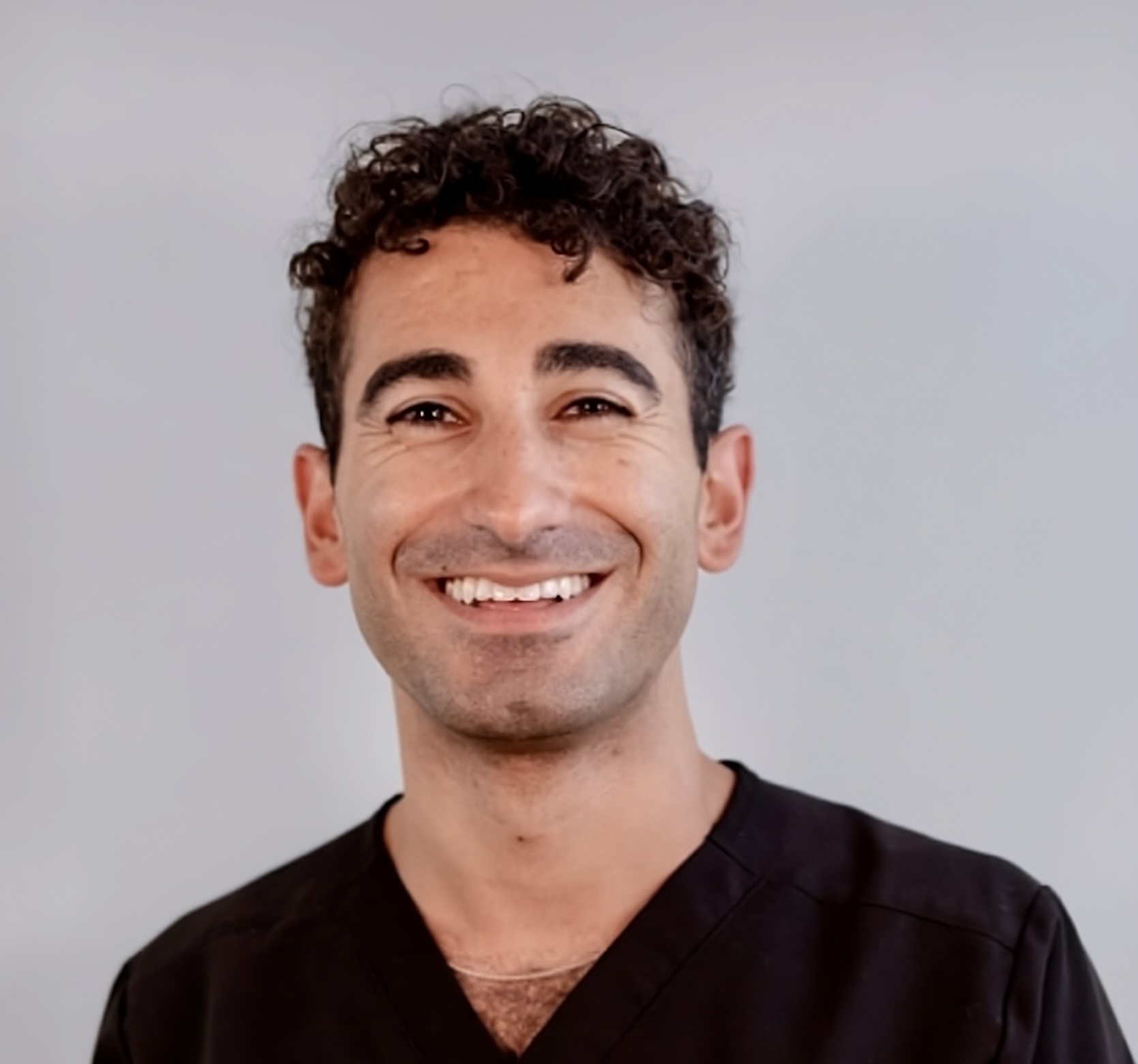
Dr. Shawn Yazdanmehr’s path to dentistry started close to home: raised in Carlsbad, he completed his pre-dental coursework at UCLA before heading north for dental school at the University of the Pacific’s Arthur A. Dugoni School of Dentistry. He then spent a stretch practicing in downtown Chicago, sharpening the precise, detail-oriented style he now brings to restorative and cosmetic cases. When he opened Salt and Smile Dental Co., staying a solo provider was a deliberate choice, not a placeholder until the practice grew large enough for a bigger team, and it’s part of what makes him the Mission Valley dentist so many families end up sticking with for years.

Learn About Your Doctor!

Our Dental Services

Dental Implants

Is dental implant treatment right for you?

Every implant case comes down to one core question: is there enough healthy bone at the site to support one? A tooth that’s already gone, or one you’ve been told needs to come out, starts a countdown on that answer, since the jaw begins reshaping itself once root stimulation stops. The breakdown below covers candidacy, process, and timing.

Who is a candidate for dental implants?

Good candidates are missing one or more teeth and have enough bone at the implant site to anchor a post, along with healthy gum tissue. Diabetes that isn’t well managed, active gum disease, or bone that’s already thinned out can push treatment back until those issues are resolved. Grafting the socket at the time of extraction often makes implant placement realistic for patients in that second group.

What does the dental implant process involve?

A consultation with imaging comes first, giving Dr. Yazdanmehr a clear picture of bone volume before scheduling anything. When the site checks out, a titanium implant post goes into the jawbone and spends the next several months anchoring itself to the surrounding bone in a process called osseointegration. Once that fusion is confirmed, a custom crown caps the post, completing the restoration with a result built specifically for your bite.

Where does dental implant treatment fit into your treatment plan?

Because implants involve a healing period measured in months rather than weeks, this treatment plan gets mapped out in phases from day one rather than scheduled one appointment at a time. If an extraction or grafting needs to happen first, that step is built into the same continuous plan Dr. Yazdanmehr manages from start to finish, so nothing about your care gets handed off elsewhere.

When is the right time to consider dental implants?

Jawbone starts losing density almost as soon as a tooth is gone, which is why evaluating implants sooner rather than later keeps more options open. A tooth pulled recently still has a full range of bone to work with. One that’s been missing for years might need grafting first to rebuild what’s been lost, but it’s rarely too late to ask. Implants placed on solid bone are built to hold up for decades with routine care.

Why choose dental implants over the alternatives?

Unlike a bridge or removable denture services, which sit on top of or beside the gap without engaging the bone underneath, an implant post takes over the job a natural tooth root used to do, which is the whole premise behind implant dentistry. A review in the Journal of Prosthetic Dentistry concluded that an implant-supported fixed prosthesis is the best means of preserving residual alveolar bone compared to complete, fixed partial, and removable partial dentures.

Delaying Treatment Turns a Straightforward Case Into a Complex One

Left unaddressed, a missing tooth causes quiet bone loss as adjacent teeth drift into the gap and bite forces redistribute. A PubMed-indexed study on tooth-loss awareness found untreated gaps are linked to drifting of adjacent teeth, over-eruption, uneven wear, and midline collapse. What starts as a single implant case can become a larger reconstruction the longer it waits, so acting early keeps treatment simpler and less costly.

Speak With A Professional!

Crowns and Bridges

Is a Crown or Bridge the right solution for your smile?

A cracked or heavily decayed tooth can’t hold its ground on its own, and without support, the damage only spreads. As a dentist in Mission Valley who patients turn to for restorative options, Dr. Yazdanmehr treats crowns and bridges as the most direct path, either reinforcing what’s left of a tooth or replacing what’s missing with something fixed in place. Here’s how to know which one, if either, applies to you.

Who is a candidate for crowns and bridges?

A crown is the right choice when a tooth is too cracked, decayed, or worn down for a filling to hold, including teeth left fragile after a root canal. For less extensive damage, an inlay or onlay sometimes does the job instead. A dental bridge steps in when one or more teeth in a row are missing, and the teeth on either side of that gap are healthy enough to serve as anchors. Either way, the dentist treats active gum disease around the site first so the restoration has something solid to attach to.

What does the crown and bridge process involve?

Getting a crown or bridge seated typically involves two visits, with a lab turnaround in between. At the first visit, the tooth, or the anchor teeth for a bridge, gets reshaped to accept the restoration, and a mold captures the precise fit needed. A temporary keeps things protected while the permanent piece is custom-made, and the second visit is where it actually gets cemented, adjusted, and checked against your bite.

Where do crowns and bridges fit into your treatment plan?

A crown or bridge case usually wraps in two office visits, though the lab turnaround between them adds a bit of calendar time. When a root canal or extraction is also part of the plan, the restoration goes on only after that site has fully healed, and the whole sequence is coordinated under one roof rather than split across referrals.

When is the right time to consider crowns and bridges?

A crack that looks stable now can still worsen under normal chewing pressure, which is why placing a crown while the tooth is still restorable beats waiting to see what happens. The same logic applies to a bridge: the sooner it goes in after a tooth is lost, the less the surrounding bone and teeth have shifted in the meantime. Done well, either restoration can last well over a decade.

Why choose crowns and bridges over the alternatives?

Fixed crowns and bridges outperform removable partials on daily function: a partial must come out for cleaning and does nothing for bone loss, while bonding lacks the strength to restore significant tooth structure. A five-year clinical trial comparing resin-bonded bridges against removable partial dentures found that the reported advantages of fixed partial dentures, including lower maintenance demands, supported the fixed option even where survival rates were statistically similar.

A Cracked or Decayed Tooth Will Not Stay the Same Without Treatment

A cracked or decayed tooth won’t hold its current state under normal bite pressure, and once the crack or decay reaches the pulp, extraction may be the only option left. The NIDCR states that untreated tooth decay can cause pain, infection, and even tooth loss, and infection can spread into surrounding bone. A crown placed while the tooth is still restorable costs far less than treating it later.

Speak With A Professional!

Socket Preservation and Bone Grafting

Is socket preservation the missing step in your extraction plan?

An extraction removes the tooth, but it doesn’t stop what happens next. The bone that supported that tooth begins to shrink almost immediately, and that shrinkage can rule out a dental implant later. Socket preservation is the step dentists Mission Valley patients count on to protect what remains after an extraction, keeping options like an implant open later. The breakdown below covers who benefits, what happens, and why timing matters.

Who is a candidate for socket preservation?

This procedure is worth discussing for almost any extraction, including wisdom teeth, especially if an implant is even a remote possibility at that site down the line. Patients who haven’t decided on a replacement tooth yet still benefit, since preserving the bone buys time without closing off future options. A history of gum disease or lower bone density raises the stakes further, since those patients tend to lose bone faster once a tooth is gone.

What does the socket preservation process involve?

As soon as the tooth comes out, Dr. Yazdanmehr packs the empty socket with a bone grafting material designed to hold the site’s shape while your body rebuilds bone around it. A collagen barrier typically goes over the top to keep everything in place and support the soft tissue as it closes over the graft. From there, healing takes a few months before the site is ready for the next restoration.

Where does socket preservation fit into your treatment plan?

Because it happens chairside at the same visit as the extraction, socket preservation doesn’t add a separate appointment or send you chasing a referral elsewhere. What it does add is flexibility. Down the road, that protected bone can support an implant, help a bridge fit properly, or simply keep your options open until you’re ready to decide.

When is the right time to consider socket preservation?

There’s exactly one point where this decision is simple: while the tooth is already out and the socket is open. Once healing finishes without a graft in place, adding one later turns into a separate surgical step rather than something folded into the extraction itself. If you already have an extraction on the calendar and nobody’s mentioned socket preservation yet, raise it before the appointment, not after.

Why choose socket preservation over allowing natural healing?

Natural healing closes the socket but doesn’t preserve the bone volume or ridge shape an implant needs. A 2017 meta-analysis in the Journal of Clinical Periodontology found socket grafting more favorable than unassisted socket healing, with statistically significant gains in retained bone width and height. That difference often decides whether a standard implant is possible later.

Bone Loss After Extraction Moves Faster Than Most Patients Realize

A National Institutes of Health clinical trial registry summary describes 50% loss of alveolar crestal bone width as the likely outcome within a year of tooth loss, most of it in the first three to six months. By the time an implant is considered, bone may no longer be sufficient for standard placement, and a secondary augmentation procedure adds time, complexity, and cost that grafting at extraction would have avoided.

Speak With A Professional!

Veneers

Is a Veneer the right fit for your smile?

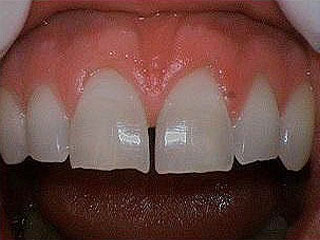
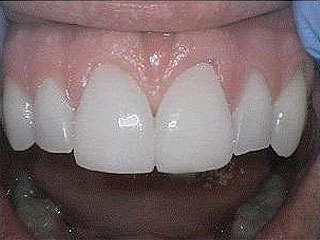
Some smiles need more than a filling or a whitening kit to close the gap between how a tooth looks and how you’d like it to look. A veneer covers the visible surface of a tooth to correct chips, gaps, discoloration, or an uneven edge in one focused step. Here’s who’s a good fit, what the process involves, and where it fits in a broader treatment plan.

Who is a candidate for a Veneer?

Veneers make the most sense for teeth that are otherwise structurally sound, meaning no active decay or unresolved gum disease standing in the way. They’re a strong fit for staining that whitening can’t fully address, along with chips, small gaps, or an edge that looks slightly off. If you clench or grind at night, plan on a nightguard alongside your veneers to protect the investment, something Dr. Yazdanmehr will flag during your consultation if it applies to you.

What does the Veneer process involve?

Getting a veneer placed starts with removing a thin layer of enamel to make room for the shell, followed by a digital scan or impression that captures the exact fit needed. A temporary protects the tooth while your custom veneer is fabricated to match the shade and shape you settled on together. Dr. Yazdanmehr bonds the final piece at your second visit and checks your bite before you head out.

Where does a Veneer fit into your treatment plan?

Cosmetic work like this comes after the clinical side of your mouth is settled, not before. We handle any cavities, gum treatment, or bite adjustments first, so the veneer bonds to a stable tooth and won’t need to be redone once everything else is finished.

When is the right time to consider a Veneer?

There’s no reason to wait once your oral health is squared away. A chip or worn edge you’ve noticed in photos won’t fix itself, and starting early gives you time to dial in the exact shade and shape before any date you’re planning around.

Why choose a Veneer over the alternatives?

Composite bonding costs less upfront, but it wears, stains, and chips faster than porcelain over the years. A systematic review of roughly 6,500 porcelain veneers found a 10-year estimated cumulative survival rate of 95.5%. This durability edge makes a properly placed veneer a longer-lasting fix for a tooth that needs real correction.

A Chipped or Worn Tooth Left Untreated Doesn't Tend to Stay the Same

A chip or crack that seems stable today can still progress. A three-year study through the National Dental Practice-Based Research Network found 12.3% of untreated teeth showed crack progression, with roughly 3% eventually fracturing outright. Addressing it while it’s still a cosmetic conversation keeps your treatment simpler.

Speak With A Professional!

Clear Aligners

Is clear aligner treatment right for you?

Straightening isn’t an all-or-nothing choice between crooked teeth and a mouth full of brackets anymore. Clear aligner treatment moves teeth through a sequence of custom, see-through trays you swap out roughly every couple of weeks. Below: who qualifies, what the process looks like, and when to start.

Who is a candidate for clear aligners?

If your crowding or spacing falls in the mild-to-moderate range, which covers most teens and adult cases, aligners are usually a workable option. Dr. Yazdanmehr checks your bite in person before confirming, since more complicated misalignment sometimes still calls for traditional orthodontics. Salt and Smile Dental Co. offers Invisalign specifically, so if aligners are the right fit, the plan is mapped out starting at your first exam.

What does the clear aligner process involve?

Everything starts with a digital scan that plots the full path your teeth need to travel to reach the target result, so you can see roughly where you’ll end up before committing to anything. From there, you’re moving through a new tray every one to two weeks, with periodic check-ins to confirm progress matches the plan. Most cases wrap up in under a year of active treatment.

Where does clear aligner treatment fit into your treatment plan?

Clear aligners need a clean starting point, so we address any cavities or gum disease before we make the first tray. Once your teeth have finished shifting into their final position, that’s typically when cosmetic add-ons like teeth whitening or veneers get scheduled, so the final result matches your new smile rather than the old one.

When is the right time to consider clear aligners?

A crowded bite doesn’t loosen up with time, and the contact points it creates keep collecting plaque a toothbrush can’t reach. Moving on it sooner rather than later usually means fewer total aligners before you’re finished.

Why choose clear aligners over fixed braces?

Beyond convenience, the bigger draw is comfort backed by data. A one-year randomized trial in patients with severe crowding found the aligner group reported lower oral symptoms than the fixed appliance group, along with notably higher satisfaction with eating and chewing.

A Straighter Bite Protects More Than Your Smile

Tight, overlapping teeth create pockets a toothbrush and floss can’t fully reach, and that’s exactly where problems tend to start first. The NIH’s clinical literature on malocclusion notes that complications of untreated malocclusion include tooth decay and increased caries, along with gingivitis and tooth loss. Waiting doesn’t make crowding easier to manage; it just adds years of extra wear on your gums and enamel.

Speak With A Professional!

Teeth Whitening

Is professional teeth whitening right for you?

Enamel doesn’t stay one shade forever. Diet, age, and habits like smoking gradually darken it no matter how well you brush. Professional teeth whitening addresses that shift under a dentist’s supervision, using a stronger, more controlled gel than anything sold off the shelf. Here’s how to know whether it’s worth adding to your plan.

Who is a candidate for teeth whitening?

Whitening works well for most people once you’ve addressed any decay or gum disease. Staining from food, drinks, or age typically lightens easily. Staining tied to certain medications, old fillings, or a past injury behaves differently, which is why Dr. Yazdanmehr checks your teeth before recommending a specific protocol.

What does the teeth whitening process involve?

Whitening at Salt and Smile Dental Co. uses a dentist-dispensed treatment matched to your teeth and your goals, rather than a one-size-fits-all kit. Your gums are protected, the whitening agent is applied under supervision or through a custom take-home tray, and Dr. Yazdanmehr checks your progress along the way to confirm the shade change is even and on track.

Where does teeth whitening fit into your treatment plan?

Timing depends on what else is on your plan. If crowns or veneers are part of the picture, whitening goes first so Dr. Yazdanmehr can match those restorations to your brightest natural shade. Otherwise, it’s typically the last step, scheduled once any decay or gum disease is fully resolved.

When is the right time to consider teeth whitening?

Whitening doesn’t come with a clinical deadline the way a cracked tooth does, so the right moment is simply whenever your mouth is healthy, and you’re ready for the cosmetic upgrade. Some patients build it into their calendar ahead of a wedding or a big trip; others decide one day that it’s time.

Why choose professional whitening over at-home kits?

Store-bought strips and gels use a one-size gel tray that doesn’t fit your teeth precisely, which limits how much difference they can make. A randomized trial comparing dentist-dispensed at-home whitening with two over-the-counter systems found that conventional at-home whitening produced significantly greater color change than both OTC products, which also showed measurable color relapse in the following weeks. Fit and supervision, not just gel strength, are what separate the two approaches.

Unsupervised Over-the-Counter Whitening Carries Its Own Risks

Using whitening products without guidance can cause more than disappointing results. A peer-reviewed review found that indiscriminate use might cause damage and adverse effects to tooth or gum tissue. A quick consultation first catches issues, like restorations that won’t match, before they become bigger problems.

Speak With A Professional!

Why Choose Us

Reviews and rankings only go so far when you’re deciding on a dental home. Below are five specifics about the patient care you’ll actually notice at Salt and Smile Dental Co., the dentist in Mission Valley San Diego CA, that patients recommend most often- not a marketing pitch.

Request Appointment

Client Testimonials

More Testimonials

Before & After

FAQs

What can I expect during my first visit to Salt and Smile Dental Co.?

Your first visit includes a full dental exam, X-rays, and an unhurried conversation with Dr. Yazdanmehr about what the findings mean for your oral health. Nothing is rushed, and nothing is presented without explanation. If treatment is recommended, you’ll understand why before you leave the chair. The goal of that first appointment is to give you a complete picture of where your oral health stands and what your options are going forward.

How does Salt and Smile Dental Co. help patients who experience dental anxiety?

Dr. Yazdanmehr treats dental anxiety as something real, usually tied to feeling uninformed or out of control during treatment, rather than something just to push through. He talks you through what he’s doing as he goes, pauses if you need a moment, and never schedules a procedure the second you mention it. Seeing the same provider at every visit also helps, because you’re not starting over with a stranger each time you come in.

Does Salt and Smile Dental Co. offer emergency dental care?

Yes. The practice sees patients with dental emergencies, including severe tooth pain, a cracked or broken tooth, a lost crown, or mouth trauma. If you’re dealing with an acute situation, contact the office as soon as possible to discuss next steps.

What general and preventive dental services are available at the practice?

The practice offers dental exams, professional dental cleaning, dental sealants, composite fillings, and clear aligner treatment through Invisalign. These services form the foundation of ongoing oral health care and are available to adult patients during routine and preventive visits. If you’re due for an exam, a cleaning, or a more involved dental treatment, scheduling a visit is the straightforward first step.

Does the practice see patients of all ages?

The practice primarily serves adult patients. The practice may see younger patients on a case-by-case basis, though Dr. Yazdanmehr may refer pediatric patients to a specialist better suited to their specific needs. If you’re looking for care for a child, call the office to discuss the situation directly so they can point you to the right provider.

Ready for a dentist Mission Valley patients actually trust?

Whether you’re facing a missing tooth, a damaged tooth that needs structural support, or an upcoming extraction that requires planning, choosing the dentist Mission Valley families trust shapes your oral health years from now. Bring your specific situation to Dr. Shawn Yazdanmehr, who will answer your questions honestly and help you settle on a clear plan. Reach out to Salt and Smile Dental Co. today, read what other patients have to say, or check our blogs for more oral health tips.

Request Appointment