
Dentist in La Mesa

Call UsLearn More

Welcome to Salt and Smile Dental Co!

If you’re dealing with a missing tooth, a damaged smile, or a look you’ve never felt confident about, finding the right dentist in La Mesa makes all the difference. At Salt and Smile Dental Co., Dr. Shawn Yazdanmehr, DDS, treats each case on its own terms instead of running everyone through the same checklist. Your dental appointment here is built around your specific dental needs and ends with a treatment plan you actually understand, not one filled out on your behalf.

Get Started on Your Confident Smile

Our Mission

Dr. Shawn Yazdanmehr and our entire team are committed to creating an environment where dental anxiety has no place and transparency guides every conversation. We understand that choosing our practice means placing trust in someone who will be your partner in lifelong oral health, which is why we’ve built our practice on three core values: humanism, confidence, and transparency. We recognize that behind every smile is a person with unique concerns, medical circumstances, and life situations. Our mission extends beyond providing exceptional dental care—we aim to be the dentist in San Diego CA you actually look forward to seeing, where your questions are welcomed, your treatment options are explained thoroughly, and you never feel rushed or confused about what comes next. This commitment to detail-oriented, conversational care defines everything we do.

Meet the Doctor

Before opening Salt and Smile Dental Co., Dr. Shawn Yazdanmehr, a dentist trained in both restorative and cosmetic care, spent time treating patients in downtown Chicago, an experience that shaped his thorough, unhurried style at the chair. His dental degree comes from the University of the Pacific’s Arthur A. Dugoni School of Dentistry, following pre-dental studies at UCLA, and he built the practice around a simple idea: patients deserve the same dentist every visit, one who takes time, explains everything, and stays with them through every step of their care. Outside the office, he splits his time between surfing, pickleball, hiking, and guitar, and is married to a spouse training as an anesthesiologist at UCSD.

As a La Mesa dentist serving the broader San Diego community, Dr. Yazdanmehr brings the same steady, unhurried approach to every appointment: precise clinical work, personalized care, and a straightforward explanation of what’s happening and why.

Learn About Your Doctor!

Our Dental Services

Dental Implants

Is dental implant treatment right for you?

Losing a tooth changes more than your smile. It changes how you chew, how your jaw works, and over time, how your face looks. If you’ve lost a tooth or are facing an extraction, it’s worth knowing what dental implants involve, who they’re for, and what happens if you leave the gap alone.

Who is a candidate for dental implants?

Your dentist will typically consider you a good candidate for dental implants if you’re missing one or more teeth and have enough bone in the jaw to support an implant post. Healthy gums and good overall health matter too. Conditions like unmanaged diabetes, active periodontal disease, or a jaw that’s already lost significant bone volume may need attention before treatment can start. Smokers can still be candidates, though smoking slows healing. A thorough exam with your dentist will determine where you stand before you make any decisions.

What does the dental implant process involve?

The implant process often starts with an extraction if the tooth is still present, followed by socket preservation to protect the bone while it heals (more on that below). Once your dentist confirms the site is ready, they place a titanium post into the bone and give it time to fuse with it. That process is called osseointegration. After it’s complete, a final crown is attached to the post. Each phase has its own healing window, and your dentist walks you through what to expect at every visit.

Where does dental implant treatment fit into your treatment plan?

The full implant process spans several months, depending on how long osseointegration takes. Before your first implant appointment, your dentist addresses any gum disease or bone loss and reviews your X-rays and health history during the initial exam. You’ll get a clear picture of the full sequence before committing to anything.

When is the right time to consider dental implants?

The best time to talk to your dentist about a dental implant is right after you lose or have a tooth pulled. Jawbone loss starts quickly after a tooth is gone. It speeds up over the first year. Acting early preserves the bone you have and keeps the implant process simpler. When properly placed and maintained, dental implants can last decades. Unlike bridges or dentures, they don’t follow a fixed replacement schedule.

Why dental implants over the alternatives?

Dental implants are the only tooth replacement that preserves the bone beneath the gap, working like a natural root instead of just sitting on top of the gum. A systematic review in Clinical Oral Implants Research found implant-supported prostheses reaching a 95.2% five-year survival rate, compared with 93.8% for conventional tooth-supported bridges. For qualifying patients, that edge, combined with the bone-preserving effect bridges and dentures don’t offer, makes implants the stronger long-term choice.

Leaving a Gap Open Reshapes the Jaw, the Bite, and the Face Over Time

Leaving a gap alone doesn’t just leave space. The bone beneath it begins shrinking within months, and neighboring teeth drift toward the opening. A systematic review in the Journal of Clinical Periodontology found that within six months of extraction, the ridge can lose 29% to 63% of its width and 11% to 22% of its height. The longer the gap stays open, the more involved and costly treatment becomes.

Speak With A Professional!

Socket Preservation

Is socket preservation right for you?

An extraction doesn’t have to mean deciding on a replacement tooth right away, but the jawbone underneath won’t wait for you to make up your mind. Socket preservation buys you that time, whether you eventually go with an implant, a bridge, or a denture.

Who is a candidate for socket preservation?

Nearly anyone having a tooth pulled can benefit from socket preservation, and it’s worth asking your dentist about whenever you might want an implant in that spot someday. Front teeth deserve extra thought since bone loss there changes how your gum line looks, and it’s also useful for patients who need time before settling on a permanent replacement. During your consult, your dentist checks the extraction site to confirm it’s a good fit.

What does the socket preservation process involve?

Right after your dentist removes the tooth, they fill the empty socket with bone graft material to hold the site’s shape while new bone grows in. A membrane or collagen plug typically covers the graft to protect it during healing. The site then needs a few months to integrate before the next phase of treatment can begin.

Where does socket preservation fit into your treatment plan?

Because your dentist folds socket preservation into the extraction appointment itself, you’re not scheduling an extra visit or chasing a referral. It’s the groundwork for a future dental implant, and it also keeps a later bridge or denture fitting the way it should by preserving the ridge shape underneath.

When is the right time to consider socket preservation?

There’s really one window for this decision: the day of the extraction. Once a socket heals without a graft, adding one later means a separate, more involved bone grafting procedure instead of a simple add-on. If an extraction is already on your calendar, bring this up with your dentist beforehand.

Why socket preservation over unassisted healing?

Skipping grafting doesn’t just leave a gap; it changes your options months later. A retrospective study in the Journal of Periodontology found that 60% of unassisted-healing sites needed additional bone augmentation, compared with 11.4% of preserved sites. That gap often separates a straightforward implant placement from an extra surgical step.

An Unpreserved Socket Loses Volume Fast

Bone loss after an extraction isn’t gradual; as covered above, an unprotected socket loses much of its width and height within the first few months. That shrinkage is exactly what socket preservation is designed to prevent, and it’s easier to protect bone at the time of extraction than to rebuild it later.

Speak With A Professional!

Crowns and Bridges

Is a crown or bridge the right solution for your smile?

A cracked, heavily decayed, or missing tooth is fixable more often than people expect. A dental crown or dental bridge ranks among the most dependable restorations in dentistry, giving many patients a stable, working smile without the surgery an implant requires. Whether you’re dealing with a single damaged tooth or a gap where a tooth used to be, the questions below help you figure out whether a crown or bridge fits your situation, and a dentist can help you get direct answers.

Who is a candidate for crowns and bridges?

Your dentist typically recommends a crown once a tooth is fractured, worn down by decay, or left structurally fragile after a root canal. For less extensive damage, an inlay or onlay sometimes does the job instead. A bridge makes sense when a gap needs filling, and the teeth flanking it are sturdy enough to support an anchor on each side. Bone loss or active gum disease around those anchor points usually needs periodontal care first. Your dentist will show which restoration fits your current situation.

What does the crowns and bridges process involve?

Crown and bridge treatment usually takes two visits. At the first appointment, your dentist shapes the tooth or anchor teeth to make room for the restoration. The dentist takes impressions and places a temporary crown or bridge while the final one is made. At the second visit, your dentist seats the permanent restoration and checks the fit, bite, and appearance before cementing it in place. He’ll explain which material suits your tooth’s location and how much force it needs to handle each day.

Where does a crown or bridge fit into your treatment plan?

We treat gum disease or infection before placing any crown or bridge. This practice provides thorough cleanings as part of periodontal care, which may be a necessary first step. After a root canal, a crown typically follows to protect the treated tooth. Most patients finish the crown or bridge process in two to three appointments. Your dentist maps out the full sequence at the initial exam so you know what to expect before anything begins.

When is the right time to consider a crown or bridge?

Your dentist will usually recommend a crown when a tooth is too damaged for a filling to hold, or after a root canal leaves the tooth needing protection. For a bridge, timing matters because adjacent teeth drift and bone beneath the gap shrinks the longer a space goes unfilled. With proper care, crowns and bridges both last about 10 to 15 years. Treating the problem early almost always leads to a simpler result.

Why crowns and bridges over the alternatives?

A bridge restores function without surgery, and crowns protect teeth that would otherwise keep decaying. A five-year study found 92.3% of bridges survived, with roughly 95% of patients satisfied with appearance and 96% with chewing comfort, well above the 50% to 81% satisfaction range found for removable partial denture wearers. For the right patient, a crown or bridge delivers a reliable result faster than implants.

An Unrestored Tooth Puts Everything Around It at Risk

When a damaged or missing tooth goes untreated, nearby teeth absorb the consequences, drift into the gap, and shift your bite. A clinical study of patients missing a first molar found that 80.8% developed a complication from leaving the space unrestored, most often drifting off the neighboring teeth. What starts as one tooth problem can grow into a multi-tooth challenge the longer it’s left alone.

Speak With A Professional!

Clear Aligners

Are clear aligners right for you?

Straightening your smile no longer means months of brackets and wires. Clear aligners shift teeth gradually through a series of virtually invisible, removable trays, and Invisalign offers this approach instead of traditional braces, making it a low-maintenance, discreet option many dental patients choose.

Who is a candidate for clear aligners?

If your case involves teeth that are somewhat crowded, gapped, or slightly out of alignment, clear aligners are usually a solid option for teens and adults alike. Your dentist examines your bite in person and reviews imaging before confirming fit, since more involved misalignment sometimes responds better to traditional orthodontics; that’s the one situation where this practice would refer you out, since it offers clear aligners and retainers but not braces.

What does the clear aligners process involve?

The process begins with a 3D scan that plots the full path your teeth will travel, so you can see the projected result before committing. You’ll wear each tray in the series for roughly one to two weeks before swapping to the next, checking in with your dentist along the way to confirm things are on track. Active treatment typically wraps up within a year, after which a retainer keeps everything in place.

Where do clear aligners fit into your treatment plan?

Before the first tray goes in, any active decay or gum disease needs to be resolved so treatment starts on solid ground. If cosmetic work like veneers or teeth whitening is also part of your plan, your dentist typically schedules that after your teeth settle into their final position, matching the results to the finished smile.

When is the right time to consider clear aligners?

Left alone, crowded or misaligned teeth don’t straighten themselves, and the tight contact points they create get harder to keep clean over time. Moving forward earlier usually shortens the overall aligner series, since your teeth have less distance to travel.

Why clear aligners over traditional braces?

Removability for eating and brushing is only part of the appeal. A randomized trial comparing aligners with braces for deep bite correction found the aligner group finished treatment in an average of 20.8 months versus 27.5 months for braces, with significantly higher patient satisfaction and comparable results. That shorter timeline is a big part of why aligners are the preferred route for qualifying patients.

Untreated Crowding Doesn't Stay a Cosmetic Issue

Crowded teeth trap food in spots a toothbrush can’t reach, and those spots tend to develop problems first. The NIH’s clinical literature on malocclusion ties this pattern to higher rates of decay, gum inflammation, tooth loss, and impacted teeth over time. What looks like a cosmetic concern can become a functional one the longer it’s left alone.

Speak With A Professional!

Cosmetic Dentistry

Is cosmetic dentistry worth pursuing for your smile?

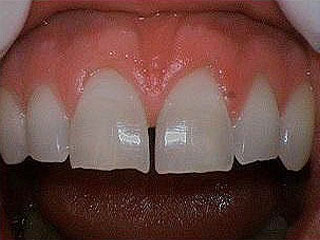
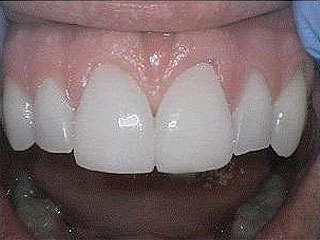
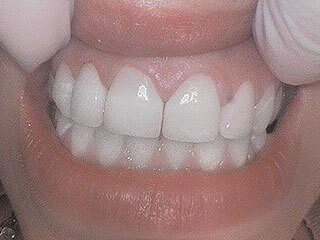
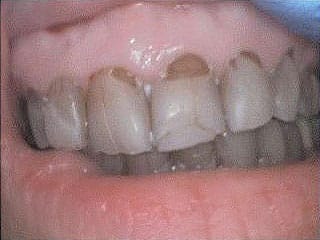
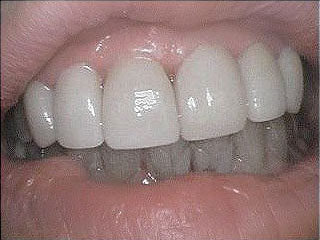
A smile that’s structurally fine but doesn’t quite look the way you want is exactly what your dentist’s cosmetic dentistry services address. Discoloration, a chipped edge, a gap between two teeth, or a shape that just looks uneven in photos can all be corrected. For dentists in La Mesa, CA, when patients consult about cosmetic work, the starting point is always an honest conversation about what’s possible, what’s realistic, and what the right path looks like for your specific teeth.

Who is a candidate for cosmetic dentistry (Veneers)?

Veneers suit teeth with staining that’s resistant to whitening, along with minor chipping, small gaps, or a shape that’s just slightly off from what you’d like. Your dentist should address active decay or gum disease first, and significant bite problems may need attention too. Patients with a heavy grinding habit may need a protective plan in place before moving forward with veneers.

What does the cosmetic dentistry (Veneers) process involve?

It starts with a consultation where your dentist reviews your goals and walks you through what’s realistically achievable. Your dentist shaves down a conservative layer of the tooth’s outer surface to make room for the shell, takes impressions, and a temporary veneer protects the tooth until the permanent piece is bonded at your next visit. For patients whose concerns are better addressed with full coverage, cosmetic crowns are another option your dentist can walk you through.

Where does cosmetic dentistry fit into your treatment plan?

Cosmetic treatment always follows a healthy oral foundation. Your dentist handles fillings, crowns, or periodontal care first, when needed. Once your teeth and gums are stable, cosmetic work can move forward. Veneers typically require two visits, though a planning consultation may add one more. For patients with minor cosmetic concerns, dental bonding can sometimes be completed in a single visit. Dr. Yazdanmehr will help you choose the approach that fits your goals and schedule.

When is the right time to consider Veneers or cosmetic crowns?

Once your dentist finishes any restorative work and your mouth has settled into a stable state, veneers make sense, especially if whitening or bonding already fell short of the result you wanted. Many patients plan cosmetic work with their dentist around a major life event, sometimes as part of a broader smile makeover, though there’s no wrong time to address something that’s bothered you for years. With good care, a set of porcelain veneers can hold up for well over a decade, often in the 10-to-20-year range, before a fresh set is needed.

Why Veneers over the alternatives?

Veneers address several cosmetic concerns at once in a way whitening, bonding, or aligners can’t. The durability gap with porcelain shows up clearly in the research: a 10-year study tracking nearly 1,500 veneers, published in Dental Materials, found composite veneers failing at roughly three times the annual rate of ceramic. Porcelain resists staining and holds its shape, making it the more complete, longer-lasting choice for overlapping concerns.

A Chip or Crack Left Alone Rarely Stays Cosmetic

A chip or crack that looks cosmetic can deepen into a structural problem, since enamel doesn’t grow back. According to the NIH’s StatPearls resource, a crack may progress to reach the pulp or the surrounding ligament over time if it isn’t already involving deeper layers. Because that trajectory is hard to predict, addressing it early usually keeps treatment simpler.

Speak With A Professional!

Teeth Whitening

Is teeth whitening right for you?

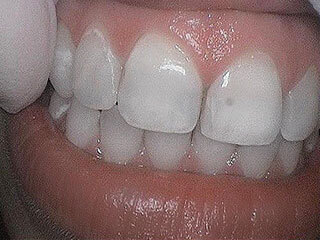
A smile that used to photograph brighter can dull for all sorts of reasons: daily habits, natural enamel aging, or genetics. Before reaching for a drugstore kit, it’s worth understanding what separates professional whitening, guided by your dentist, from the over-the-counter version.

Who is a candidate for teeth whitening?

As long as you’ve addressed any decay or gum disease, most patients qualify for whitening, whether the goal is a subtle touch-up or a more dramatic change. Patients with exposed roots or existing restorations like crowns or veneers on visible teeth should talk with their dentist first, since those materials don’t respond to whitening the way natural enamel does.

What does the teeth whitening process involve?

Your dentist’s whitening treatment uses a gel well beyond drugstore strength, applied either during an in-office visit for faster results or through a custom tray you take home for a gradual change. Because the tray fits your teeth rather than being one-size-fits-all, the gel stays off your gums, which limits irritation and delivers a more even result than a generic strip.

Where does teeth whitening fit into your treatment plan?

If a crown, filling, or veneer is part of your plan, whitening happens first, since your dentist needs your brightest natural shade to match new restorations. Otherwise, it’s typically the final step once any decay or gum treatment wraps up.

When is the right time to consider teeth whitening?

There’s no wrong time to whiten once your dentist confirms your oral health is stable; some patients plan it around a big event, while others decide when it feels right. Because the effect gradually fades with everyday drinks and food, occasional touch-ups keep the result from drifting back toward where it started.

Why professional whitening over over-the-counter kits?

Clinical trials back this up. One randomized comparison pitted dentist-dispensed whitening against two over-the-counter kits and found the professionally applied treatment held its color result better over time, while both OTC options faded noticeably soon after. A custom-fitted, supervised approach simply lasts longer than a generic strip.

Unsupervised Whitening Can Do More Than Disappoint

Whitening without guidance carries more risk than a disappointing result. A gel that doesn’t fit your teeth precisely can leak onto soft tissue or get swallowed, and a peer-reviewed review of over-the-counter whitening products found this kind of misuse tied to tooth sensitivity and irritated gums. A supervised approach avoids that guesswork entirely.

Speak With A Professional!

Why Choose Us

A good appointment with any dentist doesn’t tell you much about what a practice is like long-term. Here are five reasons patients throughout La Mesa and the surrounding geographic areas stick with Salt and Smile Dental Co. for everything from routine dental cleanings to more involved dental treatment plans.

Request Appointment

Client Testimonials

More Testimonials

Before & After

FAQs

What should I bring to my first appointment?

A photo ID and a list of any medications you’re currently taking cover the basics. If you have prior dental X-rays or records from a previous provider, bringing those along helps your dentist build a complete picture from day one. Also, bring any questions or concerns you have. No detail is too small to mention.

How far in advance should I book a visit?

For routine cleanings and non-urgent concerns, booking a few weeks out is typical, though openings do come up sooner. Because this is a single-provider practice, availability can shift depending on how full the schedule already is. If you need something sooner, mention it when you call. We can fit a dental emergency in the same day rather than waiting for the next opening.

What happens if my treatment plan needs to change?

Treatment plans aren’t locked in stone. If something looks different once your dentist gets a closer look, or your priorities shift partway through, the plan gets revisited and re-explained rather than pushed forward on autopilot. You’re kept in the loop at every adjustment, not just at the start. Nothing moves forward without your understanding of what changed and why.

What routine services does the dentist office offer?

The foundation of care includes dental exams, Dental Cleanings, teeth whitening, dental sealants, and fillings. Hygienists Hoa Flores, Atoosa, and Nancy provide thorough cleanings that go beyond surface maintenance. This kind of preventive dentistry is where most patients start, and it’s the baseline that makes more advanced restorative or cosmetic treatment possible.

What if my child needs dental care?

This practice focuses on teens and adults, so we refer younger children who need pediatric-specific techniques to a trusted specialist in the area. Once kids are old enough for general dental care alongside the rest of the family, they’re welcome here too. That handoff ensures every age group gets treatment suited to them, not a one-size-fits-all approach.

Skip the Guesswork: This Dentist in La Mesa Has Answers

A dentist in La Mesa who explains your options and treats you like a person, not a chart, makes all the difference. Whether you’re dealing with a missing tooth, a crack you’ve been putting off, a smile you’d finally like to change, or a more involved full mouth reconstruction, Dr. Shawn Yazdanmehr is ready to walk you through what comes next. Reach out to Salt and Smile Dental Co. to schedule a visit, read what other patients have to say, or check our blogs for more oral health tips. Follow along on Facebook and Instagram to see the practice and team before your first appointment.

Request Appointment