
Teeth cleaning in Mission Valley is one of the simplest ways to protect your smile, and Salt and Smile Dental Co. treats it as a foundation, not an afterthought. Dr. Shawn Yazdanmehr built the practice around preventive care that stops bigger problems before they start. Dental professionals remove plaque and tartar that shelter bacterial colonies and lead to gingival tissue inflammation. Every visit gets the same careful attention, whether you’re catching up or staying on schedule.
Teeth Cleaning in Mission Valley


Meet the Doctor
Dr. Shawn Yazdanmehr studied pre-dental at UCLA and earned his dental degree from the University of the Pacific, Arthur A. Dugoni School of Dentistry. After practicing in downtown Chicago, he brought a detail-oriented, unhurried approach back to San Diego. He sees every patient himself, so the same person tracking your chart also reviews your gum health. Three registered dental hygienists support every appointment.
Are you experiencing buildup, sensitivity, or overdue for a cleaning?
Is a teeth cleaning right for you?
If your gums bleed when you brush, you notice a filmy feeling on your teeth, or you can’t remember the last time you saw a dentist, it may be time to take stock. The questions below can help you figure out where you stand before you call.

Types of Dental Cleanings
Not every patient needs the same type of cleaning. The right option depends on your gum health and whether your exam detects gum disease.
Routine Prophylaxis (Standard Cleaning)
A routine prophylaxis, also called dental prophylaxis, is the cleaning most patients receive twice a year. It suits patients with generally healthy gums and no significant buildup below the gumline. Your hygienist removes plaque at the gumline, polishes enamel, and flosses between each tooth. Consistent visits give the team repeated chances to catch changes in gum tissue before they progress.
Evidence consistently supports routine prophylaxis for maintaining gum health in patients without active periodontal disease. A 2018 Cochrane review of routine scale-and-polish intervals found “little or no difference between groups over a two- to three-year period” for low-risk, regularly attending patients. That finding doesn’t dispute the value of cleaning over no cleaning at all. For most patients, the six-month schedule remains the most widely supported recommendation.
Periodontal Deep Cleaning: Scaling and Root Planing
When gum disease is present, Scaling and Root Planing targets bacteria and tartar below the gumline, inside periodontal pockets. Your hygienist cleans and smooths root surfaces to discourage bacteria from reattaching. The procedure is usually done in quadrants over one or two visits, with local anesthesia for comfort. It treats active disease rather than preventing it, aiming to reduce pocket depth and stop bone loss.
The evidence here is more settled than the debate over cleaning intervals. A systematic review comparing surgical and non-surgical periodontal treatment found scaling and root planing to be “effective methods for the treatment of chronic periodontitis.” That same review also found deeper pockets responded somewhat better to open flap surgery. That’s why disease severity at diagnosis shapes which approach a provider ultimately recommends.

What to Expect During Your Teeth Cleaning Visit
Your Gum Examination and Dental Charting
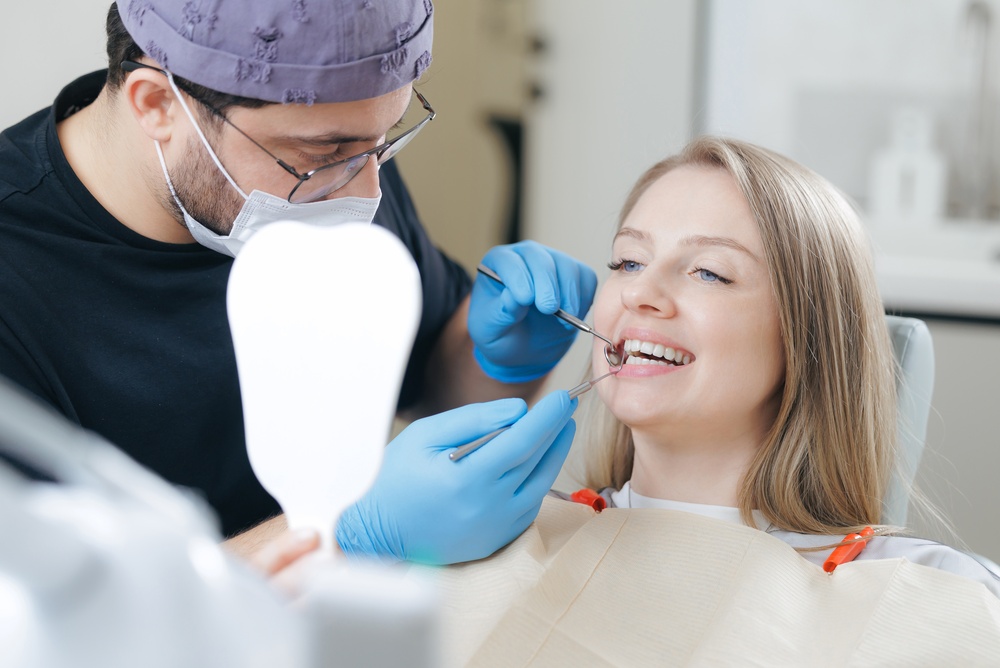
Every visit at Salt and Smile begins with real conversation, not a rushed checklist. Dr. Yazdanmehr or your hygienist asks about your dental health history, current concerns, and anything you’ve noticed since your last visit. A gum examination and dental examination follow, giving the team a full picture of your oral cavity. Dental charting captures those findings, so nothing gets lost between appointments.
Building a Treatment Plan Around Your Gum Health
No two patients leave with the same instructions. Your hygienist reviews what turned up during the exam and builds a treatment plan focused on your gum health and risk for dental cavities. Patients showing gum pockets or early inflammation are often routed toward Scaling and Root Planing instead of a standard cleaning. Dr. Yazdanmehr signs off on every plan before treatment starts.
Scaling, Polishing, and Fluoride Treatment
This is where the actual cleaning happens. Using hand instruments and an ultrasonic scaler, your hygienist works along the gumline, where bacterial colonies collect most stubbornly. Surface stains from coffee, tea, or tobacco get polished away, and a fluoride treatment often follows to reinforce your enamel. Most patients are finished within 45 to 60 minutes.
Personalized Oral Hygiene Advice to Take Home
Before you head out, your hygienist walks you through personalized oral hygiene advice based specifically on what they saw. That could mean a different brushing angle, a new flossing habit, or an interdental brush for a tricky spot. Small adjustments like these protect your gingival tissue and slow future buildup. It’s guidance built around your mouth, not a generic handout.
Tracking Your Gum Health Over Time
Most patients return to our schedule in six months, sometimes sooner. Your provider may shorten that interval if you’re managing gum disease or another dental health risk factor. Rather than treating each visit as a fresh start, the dental practice tracks changes in your gum health across every appointment. That continuity keeps small issues from becoming bigger ones and protects a healthier smile long term.
Alternative Treatments: What happens if you skip your cleaning?
Financial Implications of More Invasive Solutions
A routine cleaning costs a fraction of what comes next when you skip preventive care. Unaddressed plaque leads to decay, and decay leads to fillings. Untreated gum disease leads to bone loss, which leads to extractions, sometimes followed by dental implants or bridges. Each step up in that progression costs more than the cleaning that could have prevented it.
The math bears this out. UIC College of Dentistry research on preventive care savings found “$8 to $50 can be saved in restorative and emergency treatments” for every dollar spent on preventive care. A cleaning that costs a modest fee is consistently cheaper than the fillings or extractions that follow decay. That gap only grows the longer treatment is delayed.
Health Implications of More Invasive Solutions
Untreated periodontal disease doesn’t stay contained to your gums for long. Research links chronic oral inflammation to cardiovascular disease, poorly controlled diabetes, and respiratory infections elsewhere in the body. Patients managing diabetes face a two-way relationship: gum disease raises blood sugar, and high blood sugar makes gum disease harder to treat. Routine cleanings reduce that risk before it becomes a medical concern rather than a dental one.
That connection isn’t speculative or new. NIDCR research on the oral-systemic health connection notes that “chronic systemic conditions like heart disease, stroke, and diabetes share risk factors” with periodontal disease. Decades of NIDCR-funded research have traced biological links between gum disease and conditions well beyond the mouth. It’s one more reason preventive dental visits matter for more than your smile.
Safety Implications of More Invasive Solutions
Skipped preventive care often leads to treatments that carry procedural risks a routine cleaning simply doesn’t. Extractions, bone grafting, and implant placement all require anesthesia, recovery time, and carry some risk of infection. Patients managing systemic health conditions face a higher chance of complications during and after these procedures. A routine cleaning carries none of those risks.
Those risks are well documented in the research, too. A peer-reviewed review of dental implant surgery complications found postoperative infections are often “caused by bacterial contamination during surgery, either directly via accidental contact with the implants.” Nerve injury and delayed healing are separate, documented risks of the same surgical procedures. By comparison, preventive cleaning carries no surgical risk.


Teeth Cleaning in Mission Valley that Fits Right Into Your Schedule
Teeth cleaning in Mission Valley is just a call away with Dr. Shawn Yazdanmehr and the team at Salt and Smile Dental Co. You can also connect with us on social media to get a feel for the practice before your visit. When you’re ready, schedule today and take the next step toward a healthier smile.
FAQs
How often do I actually need a professional teeth cleaning?
For most patients, twice a year is the standard recommendation for a professional cleaning. If you’ve had periodontal disease, smoke, or manage a condition like diabetes, your provider may suggest three- to four-month intervals instead. The right interval really depends on your individual risk profile. Your hygienist will help determine the right schedule based on what they see at your appointment.
What's the difference between a regular cleaning and a deep cleaning?
A regular cleaning, or prophylaxis, addresses plaque and tartar at the visible surfaces and gumline. Scaling and Root Planing goes further, below the gumline, to clean root surfaces inside periodontal pockets. Deep cleanings are recommended specifically when gum disease has already caused pocket formation. Your hygienist measures pocket depth at your exam to determine which type of cleaning applies to you.
Can I get a teeth cleaning if my gums are already bleeding?
Yes, and in most cases you absolutely should keep your appointment. Bleeding gums often signal gingivitis or early gum disease, which a professional cleaning is designed to address directly. The bleeding is typically caused by the buildup that the cleaning will remove. Your hygienist will assess the severity and recommend the right type of cleaning for you.
Will a cleaning remove stains from coffee or tea?
A standard prophylaxis includes polishing, which removes surface stains from coffee, tea, and other foods you eat. It won’t change your enamel’s underlying color the way a whitening treatment would. Most patients still notice their teeth look cleaner and brighter right afterward. If you want more, Salt and Smile offers whitening services as a good next step.
Does cleaning include X-rays and an oral cancer screening?
Not every cleaning calls for new X-rays; Dr. Yazdanmehr orders them based on your last set and any new concerns. An oral cancer screening, on the other hand, happens at every paired exam regardless of X-ray timing. This layered approach means nothing gets skipped just because it wasn’t due. It’s part of why exams and cleanings stay on one combined visit.