
A dental bridge La Mesa patients trust can close the gap left by a missing tooth and change how you bite, speak, and smile. At Salt and Smile Dental Co., Dr. Shawn Yazdanmehr offers traditional fixed bridges and implant-supported bridges to match your treatment goals. Each bridge uses a custom-made artificial tooth anchored to your natural abutment teeth or secured with dental implants, depending on your oral health and how many missing teeth need replacing.
Dental Bridge La Mesa

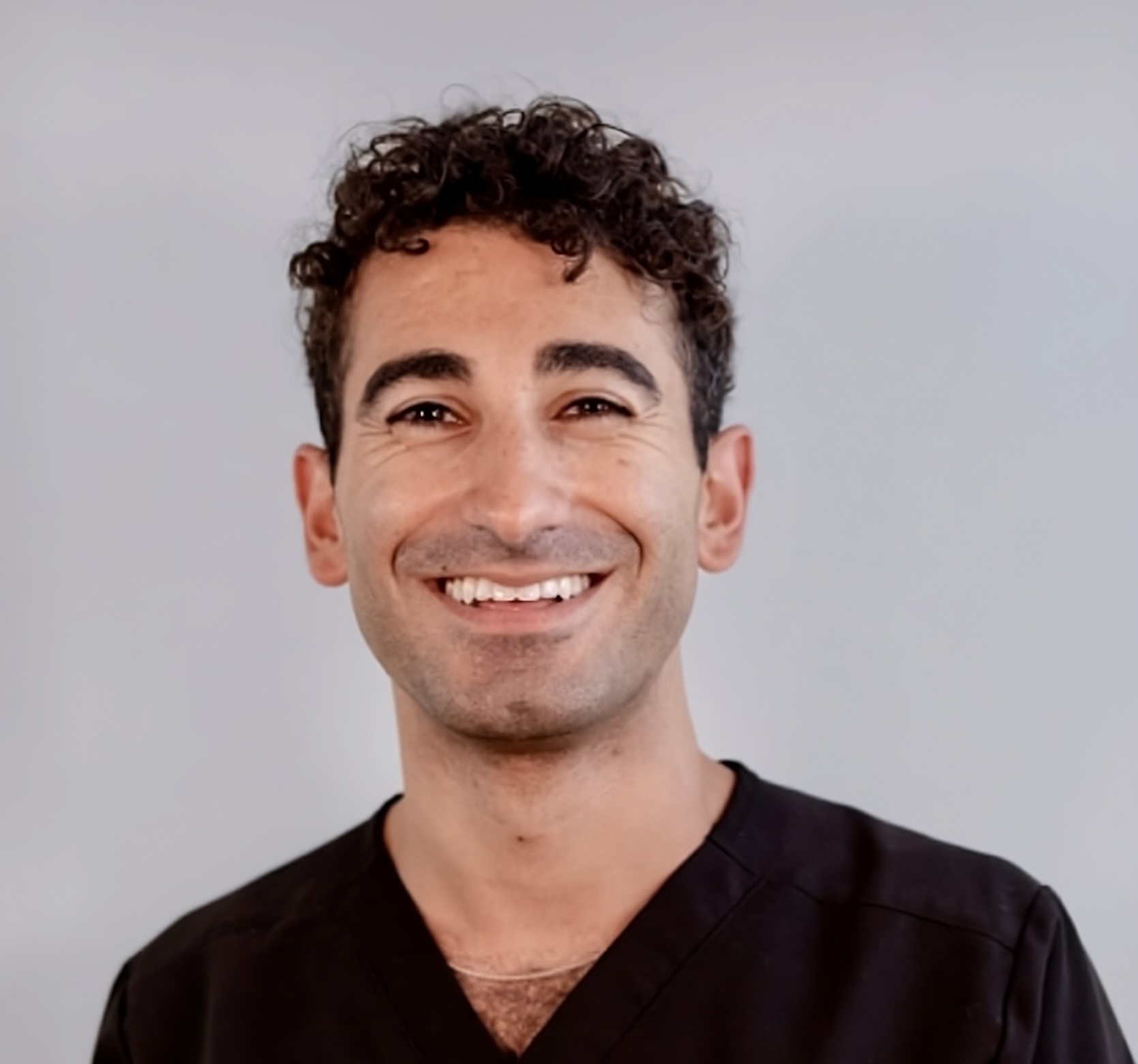
Meet Dr. Yazdanmehr
Dr. Shawn Yazdanmehr grew up in Carlsbad and earned his dental degree from the University of the Pacific, Arthur A. Dugoni School of Dentistry. Crowns and bridges are among his core clinical focuses, along with dental implants, socket preservation, and cosmetic dentistry. Patients who come in for a bridge work directly with him from consultation through final placement, so the same doctor prepares your teeth and cements the finished restoration.
Are you experiencing a gap where a tooth used to be?
Is a dental bridge right for you?
A missing tooth affects more than your appearance. It changes how you chew, how you speak, and over time, how your remaining teeth hold their position. The questions below help you figure out where you stand before you ever sit in the chair.


Options for Dental Bridge Treatment
Tooth bridges come in a few different forms, including traditional bridges, cantilever designs, and implant-supported options. The right type depends on how many teeth are missing, where the gap is located, and what the neighboring teeth look like. Here’s a breakdown of each option.
Traditional Dental Bridge
A traditional dental bridge is the most common choice for replacing a single missing tooth when you have healthy teeth on both sides of the gap. Two crowns are placed over the abutment teeth, and a pontic is suspended between them to create a fixed restoration matched to your natural tooth shade. Because this is one of the most frequently performed restorations here, Dr. Yazdanmehr approaches each case with practiced familiarity.
The case for a traditional bridge is straightforward: no surgery is required, the timeline is shorter than an implant, and the technique has decades of reliable outcomes behind it. A ten-year study found that conventional bridge abutment survival is 72% at 10 years, similar to crowns. The tradeoff is that abutment teeth must be permanently reshaped, even if they were healthy.
Cantilever Bridge
A cantilever bridge is used when only one neighboring tooth can support the restoration. Instead of anchoring the pontic on both sides, the false tooth attaches to a single crown on one side only. This design is less common and is generally reserved for gaps at the end of a row of teeth.
A cantilever bridge extends tooth replacement to patients without a healthy tooth on both sides of the gap. The mechanical concern is real, though: a systematic review found an estimated 5-year survival of 93.8% for conventional tooth-supported FDPs and 91.4% for cantilever FDPs, with cantilever designs showing more complications. Most providers reserve this design for lower bite-force areas of the mouth.
Implant-Supported Bridge
An implant-supported bridge replaces missing teeth using titanium implants placed directly into the jawbone, rather than relying on the natural teeth beside the gap. This option suits patients missing multiple consecutive teeth, or those whose neighboring teeth are healthy and shouldn’t be altered. Dr. Yazdanmehr places dental implants as part of his core clinical work, so implant placement and the final bridge stay in one practice.
An implant-supported bridge preserves the natural teeth beside the gap and stimulates the jawbone to slow resorption after tooth loss. Long-term data support this: a retrospective study found a 5-year survival rate of 99.0% and a 10-year cumulative survival rate of 98.1%. The tradeoff is surgery and a healing period spanning several months before the final bridge is placed.

How Dr. Yazdanmehr Approaches Your Dental Bridge Treatment
Evaluating Your Oral Health and Treatment Goals
Every dental bridge treatment starts with a consultation where Dr. Yazdanmehr reviews your oral health, checks for gum disease, and talks through your treatment goals. He examines the gap left by your missing teeth, along with the condition of the teeth nearby and your bite. This conversation shapes which bridge option makes the most sense for your smile and lifestyle.
Building a Plan Around Your Abutment Teeth
Once your evaluation is complete, Dr. Yazdanmehr builds a treatment plan around the health of your abutment teeth. Strong, healthy teeth on either side of the gap often point toward a traditional fixed bridge, while weaker support or missing neighboring teeth may call for an implant-supported bridge instead. Your plan is tailored to your bite, bone health, and treatment goals.
From Temporary Bridge to Permanent Restoration
Treatment begins with preparing your abutment teeth and taking an impression for your custom-made bridge. You’ll wear a temporary bridge while we fabricate your permanent restoration, so your smile stays intact during the process. Once it’s ready, Dr. Yazdanmehr cements your final bridge in place and checks your bite for a comfortable, natural fit.
Daily Habits That Help Your Fixed Bridge Last
Good oral hygiene keeps your fixed bridge or implant-supported bridge functioning well for years to come. Brushing twice daily and flossing underneath the pontic helps prevent tooth decay at the margins where your bridge meets your natural teeth. Simple at-home dental hygiene habits make a real difference in how long your bridge lasts.
Catching Gum Disease and Tooth Decay Early
Regular dental checkups let Dr. Yazdanmehr monitor your bridge and catch early signs of gum disease or tooth decay before they become bigger problems. He checks how your bridge is holding up, reviews your abutment teeth, and confirms your bite still feels right. These follow-up visits keep your restoration functioning long after your last appointment.
What happens if you do nothing?
Financial Implications of Waiting
A single missing tooth treated early with a dental bridge is one of the more cost-contained restorative options available. Leaving the gap open changes that: cost research shows a dental bone graft can range from $549 to $5,148 once bone loss requires rebuilding first. Patients who delay may need multiple full-mouth procedures instead of one bridge, sometimes escalating to full-mouth reconstruction.
Health Implications of Delayed Treatment
Bone resorption at an empty tooth site isn’t visible, but it’s measurable. Clinical research on ridge preservation notes that up to 50% loss of alveolar crestal bone width will likely occur within the first year after tooth loss. As the bone shrinks, adjacent teeth lose lateral support and tilt toward the gap, raising the risk of decay and gum disease.
Safety Implications of a Shifting Bite
A shifted bite doesn’t just affect appearance. When teeth tilt into a gap, chewing force across your remaining teeth changes, and a CBCT study on tooth loss found that superior and posterior joint spaces exhibited statistically significant alterations. Jaw discomfort can develop as muscles and joints adapt to a bite that no longer lines up correctly.


Start the Dental Bridge La Mesa Patients Trust One Doctor to Complete
A dental bridge La Mesa families rely on starts with a team that treats crowns and bridges as everyday work, not a rare procedure. Dr. Shawn Yazdanmehr and the team at Salt and Smile Dental Co. are ready to help you close the gap left by missing teeth and smile with confidence again. Follow us on Instagram and Facebook to see the practice, and schedule an appointment today.
FAQs
How long does a dental bridge last?
A well-maintained dental bridge typically lasts between 10 and 15 years, and often longer. The lifespan depends on the health of your abutment teeth, the condition of your gum tissue, and how consistently you clean the bridge. Flossing underneath the pontic is the habit most patients overlook, and it’s key to preventing decay where the crowns meet your natural teeth.
What's the difference between a dental bridge and a dental implant?
A dental bridge uses the teeth on either side of the gap as anchors and doesn’t require surgery. A dental implant is a titanium post placed into the jawbone that acts as an artificial root, topped with a crown. Implants preserve jawbone and don’t affect neighboring teeth, while bridges are faster to complete and don’t require surgery.
Can a bridge be placed after a recent tooth extraction?
In most cases, dentists don’t place a bridge immediately after an extraction. Gum tissue and bone need time to heal before the final restoration can be fitted accurately. If bone loss is a concern, we may recommend socket preservation or bone grafting shortly after extraction to maintain the volume a stable bridge needs.
Can a bridge replace more than one missing tooth?
Yes. A traditional bridge can span a gap of two or even three consecutive missing teeth, depending on the strength of the anchor teeth on either side. For larger spans, an implant-supported bridge may offer a more stable result by distributing the load across implants instead of the abutment teeth.
What happens to the teeth on either side of the bridge?
The teeth on either side of the gap, called abutment teeth, are permanently reshaped to accept the crowns that anchor the bridge. The dentist removes a measured amount of enamel so the crowns fit and the bite feels natural. This alteration is irreversible, which is why some patients prefer an implant-supported option when their neighboring teeth are healthy.